Buying in the Mexican Caribbean as a foreigner: process, fideicomiso and costs
2026 guide to buying in Playa del Carmen, Cancún, Tulum, Riviera Maya or Bacalar: requirements, fideicomiso, estimated costs, timelines and taxes.
1. How a foreigner can buy in the restricted zone
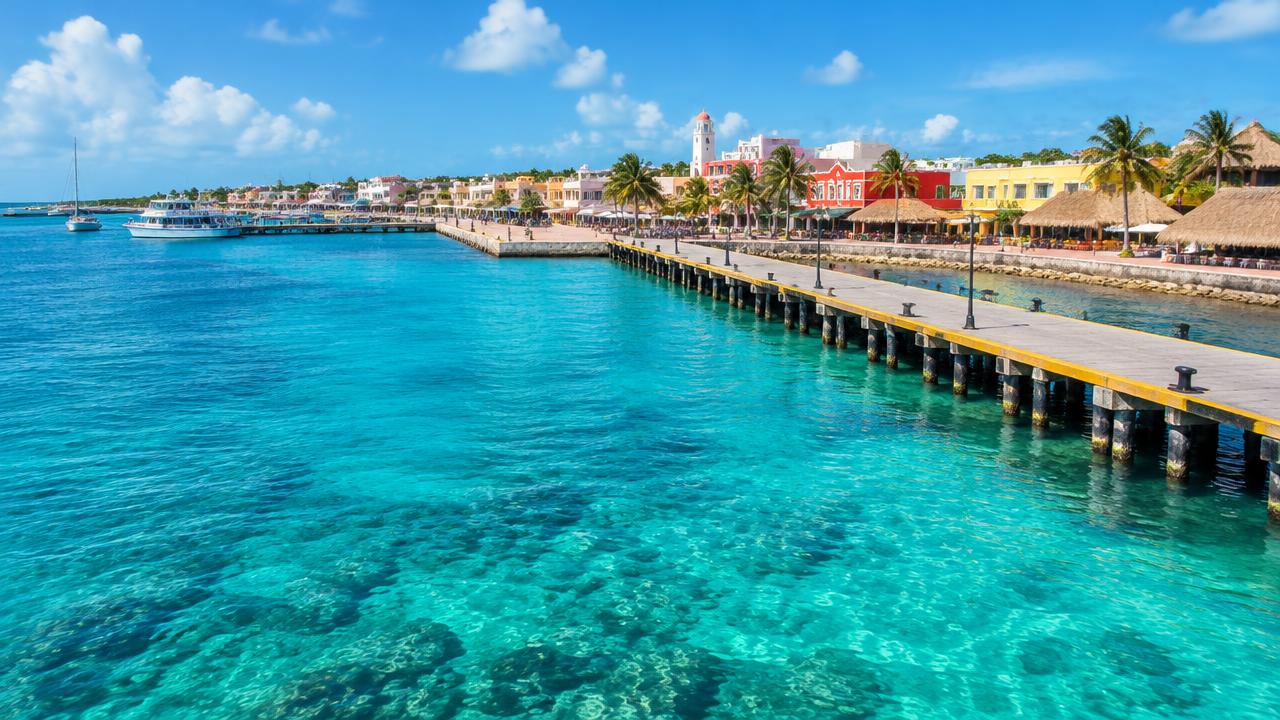
Playa del Carmen, Cancún, Tulum and the Riviera Maya lie within the 50 km coastal strip that the Mexican Constitution defines as a restricted zone. Bacalar is not on the sea coast, but the 100 km strip from the Belize border must also be considered; the property's exact location determines the purchase structure.
- For a home in the restricted zone, the usual structure is a trust (fideicomiso) with a Mexican bank: the bank is the trustee and the foreign buyer is the beneficiary.
- The beneficiary can use, rent, remodel and sell the property and name substitute beneficiaries, within the terms of the contract and the law. It is not a 50-year lease.
- The trust is set up for 50 years and can be renewed. It requires a permit from the Ministry of Foreign Affairs (SRE) and a deed before a notary public.
2. The full process, step by step
The order may change in a pre-construction purchase or when an existing trust can transfer rights, but a safe purchase usually follows these stages:
- Set a maximum price, currency, payment method and a reserve for closing costs, maintenance and exchange rate.
- Make an offer and sign a reservation only with clear terms for refunds, deadlines, inventory and documents to be delivered.
- Have an independent notary or lawyer review the seller and the property before making any significant payment.
- Sign a promissory purchase agreement when there are deadlines, conditions precedent or partial payments; it must include penalties and a deadline for the deed.
- Request a quote from the trustee bank and gather the file for the SRE permit.
- The notary assembles certificates, appraisal, taxes, draft deed and trust; review the breakdown before signing.
- Pay through a verified channel, sign the deed, receive the property and inventory, and follow up on registration and trust notices.
3. Buyer requirements and documents
The final list depends on the bank, the notary, the issuing country and whether you buy as an individual or through a company. You do not need to be a Mexican resident to buy a home.
- Valid passport and contact details; in some cases, a second ID.
- Recent proof of address and immigration documents when the bank or notary requests them.
- Marriage certificate and spouse information if the marital property regime applies; foreign documents may require an apostille and official translation.
- Source-of-funds information and bank identification forms for anti-money-laundering checks.
- Property details, offer or contract, and designation of substitute beneficiaries of the trust.
- An RFC tax ID and tax obligations are not the same as the purchase permit: ask whether you need to register to rent, sell or file returns.
4. What to check about the property and the seller
Photos and brochures do not replace a legal and physical review. In pre-construction, the schedule and delivery terms must also be in writing.
- Seller's identity and authority, previous deed and chain of title or rights being transferred.
- Lien-free certificate, property tax, water, maintenance arrears and registry status.
- Condominium regime, bylaws, fees, land use and whether vacation rentals are allowed.
- In pre-construction: permits, contract, schedule, penalties, finishes, areas, inventory and delivery mechanism.
- Inspection for moisture, installations, finishes and furniture before signing or final handover.
5. Estimated trust and closing costs
Planning estimates as of November 2026, converted at 18 MXN per USD only for ease of comparison. Banks and notaries must confirm each item in writing; ask whether the permit, VAT and the first annual fee are already included.
- SRE permit and application review: approximately $22,245 MXN (about $1,236 USD), one time; the official fee may be updated.
- Trustee bank acceptance or setup fee: as a market reference, $500–$1,000 USD, not necessarily including the permit or annual fee.
- Annual trust fee: approximately $500–$800 USD per year, depending on bank and contract.
- Acquisition tax: reserve approximately 3%–4% of the value set by the authority; Cancún uses a 3% reference, and Playa del Carmen and Tulum 4%. The notary must confirm the current municipal base and rate.
- Notary fees: as a market reference, approximately 1%–2% of the price, excluding taxes and third-party payments; ask for a breakdown.
- Appraisal: approximately $300–$600 USD; certificates and registration vary by municipality, number of acts and current fees.
- Independent lawyer: a broad reference is $1,500–$5,000 USD depending on scope; not always included in the closing reserve.
- Indicative total reserve: 6%–9% of the price for taxes, notary, registration, certificates, appraisal, permit, setup and the first annual trust fee. Small or complex transactions can reach 10% or more; avoid counting included items twice.
6. Example with a $277,000 USD property
Illustrative example, not a quote: using the same reference rate of 18 MXN per USD and a 6%–9% closing reserve, the numbers would be:
- Equivalent price: $4,986,000 MXN.
- Indicative closing reserve: $299,160–$448,740 MXN, equivalent to $16,620–$24,930 USD.
- After the first year, budget separately for the approximate annual trust fee of $9,000–$14,400 MXN ($500–$800 USD).
- Down payment, financing fees, insurance, maintenance and the actual exchange rate are calculated separately.
7. How long the purchase takes
A finished home bought in cash with complete documentation usually takes about 60–90 days to signing; the registered deed may come later. This is not a guaranteed timeline.
- Document review and quotes: about 1–2 weeks, depending on the seller's response.
- SRE permit, bank file and draft deed: may take several weeks and depend on a complete file.
- Certificates, appraisal, signing and registration: depend on the municipality, notary and Public Registry.
- Pre-construction, financing, foreign powers of attorney, apostilles or arrears can extend the timeline.
8. Buying remotely and paying safely
You can coordinate much of the process from abroad, but the identity of whoever receives the money and the payment instructions must be verified through independent channels.
- If you sign through a power of attorney, confirm the format, apostille, translation and scope with the notary before granting it.
- Verify the account by phone with the notary or bank using contact details you obtained yourself; do not rely solely on changed instructions sent by email.
- Keep contracts, receipts and the signed inventory; avoid transferring to personal accounts of sellers or intermediaries without legal validation.
- For international payments, compare exchange rates, fees, contract currency and conversion date.
9. Costs and taxes after buying
In addition to the annual trust fee, separate upkeep costs from taxes on income or sale. A tax advisor should review your country of residence and your obligations in Mexico.
- Property tax, maintenance fee, water, electricity, internet, insurance and repairs.
- Management, cleaning, platforms and furniture replacement if you rent short term.
- Income tax (ISR) and other rental obligations; ask about RFC, invoices, returns and applicable tax treaties.
- Income tax and capital gain calculation on sale, plus possible trust fees for amendments or transfers.
- Registration and notices with the National Foreign Investment Registry as applicable to the trust.
10. Mistakes to avoid
The best protection is a documented transaction, reviewed by independent professionals, with traceable payments.
- Sending a non-refundable deposit before reviewing the contract, seller and documents.
- Choosing only on price without reviewing maintenance, bylaws, permitted rentals and annual costs.
- Confusing a trust with a lease or assuming the bank decides for you in a sale.
- Signing a promissory agreement without a deadline, penalties, inventory and refund conditions.
- Using a single closing figure without a breakdown or treating 6%–9% as a final quote.
11. Final checklist before transferring
Before releasing the balance, ask for written confirmation of these points and keep a copy of everything signed:
- Seller, property and rights verified; certificates and arrears reviewed.
- Itemized closing quote, taxes calculated and trust costs confirmed.
- Contract, deed or draft reviewed, with correct price, currency, inventory and delivery date.
- Receiving account validated, proof of payment ready and next registration step identified.
Tools and properties
This content is for information only and does not constitute legal, tax or financial advice.
Ask us on WhatsAppMore guides
Escalón Realty Group · November 28, 2026
Buying property in Mexico as a foreigner: the fideicomiso guide
Understand the restricted zone, residential bank trusts, document checks and purchase costs before buying in the Mexican Caribbean.
Read guide
Escalón Realty Group · November 28, 2026
Buying pre-construction in Riviera Maya: checks before a deposit
A practical checklist for the seller, land, permits, contract, payments and handover when buying a pre-construction home.
Read guide
Escalón Realty Group · November 28, 2026
Riviera Maya property returns: from gross income to net cash flow
Compare rental investments without confusing revenue with profit: occupancy, expenses, initial capital and downside scenarios.
Read guide